If you’re just starting out on guitar, learning how to read guitar tab is one of the fastest ways to start playing real songs. Unlike traditional sheet music, guitar tablature (usually just called “tab”) doesn’t require you to already know music theory. It simply shows you where to place your fingers on the fretboard. Once you understand a few basic symbols, you’ll be able to read almost any tab you find online, and start playing songs much sooner than you might expect.
What Is Guitar Tab?
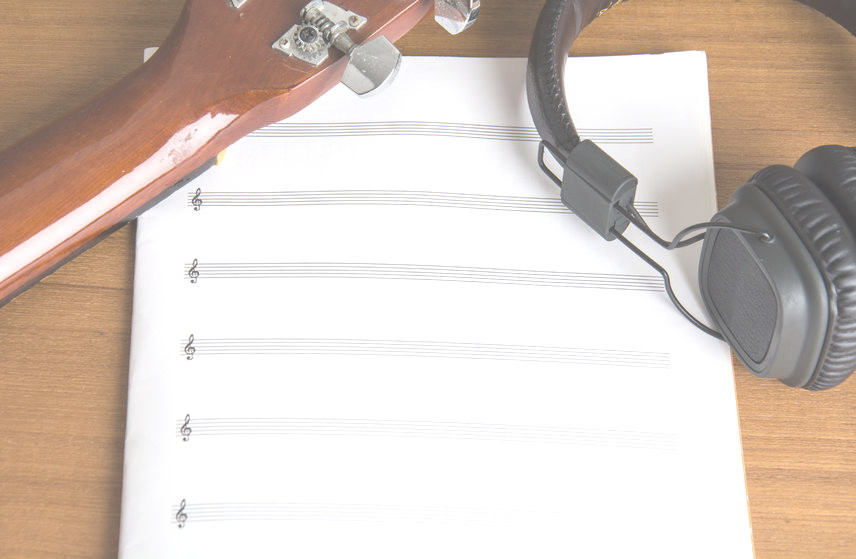
Guitar tab uses six horizontal lines, with each line representing one string on your guitar. The top line is your thinnest string (high E), and the bottom line is your thickest string (low E). Numbers placed on these lines tell you which fret to press down, and on which string.
This is different to standard music notation, which uses a five-line staff and note symbols to represent pitch and rhythm. Tab strips all of that away and just shows you finger placement, which is exactly why it’s such a popular starting point for beginners learning how to read guitar tab for the first time.
Reading Your First Tab
Here’s how the numbers work:
- A “0” means play the string open, ie, no fingers pressed down at all.
- A “3” means press down on the third fret of that string, then pick it.
- When numbers are stacked vertically on top of each other, it means play those notes together, like a chord.
Tab is read left to right, just like a sentence, where each number or group of numbers represents the next note (or chord) in the song.
Common Symbols You’ll See
As you start reading more tab, you’ll come across a few extra symbols beyond plain numbers:
- h – hammer-on: play a note, then “hammer” a finger onto a higher fret without picking again
- p – pull-off: the reverse of a hammer-on, removing a finger to sound a lower note
- / and \ – slide up or down between two frets
- b – bend the string to raise its pitch
These symbols add expression and technique to a piece, and they’re worth practising slowly at first, since timing matters as much as finger placement.
Practice Tips
Start with short and simple tabs. Even a single string melody would serve you well as a prep before moving on to full songs. It’s tempting to jump straight into your favourite song, but choosing something matched to your current skill level makes the process far less frustrating, and helps the habit of reading tab click into place faster.
If you’re a current student, ask your teacher to recommend a tab that matches what you’re working on in your guitar lessons. A good starting point makes a big difference to how quickly this skill sticks. For extra practice tab resources, sites like Songsterr let you follow along with tab in real time as a song plays, which is a great way to connect what you’re reading to what you’re hearing.
Ready to Learn Guitar Properly?
Reading tab is a great first step, but nothing beats structured lessons with proper feedback on technique, timing and posture. Book a free trial guitar lesson with Jam Station Music in Nunawading, and Pat will help you build real skill — from your very first chord through to playing the songs you love.