
Building a Solid Practice Routine for Bass

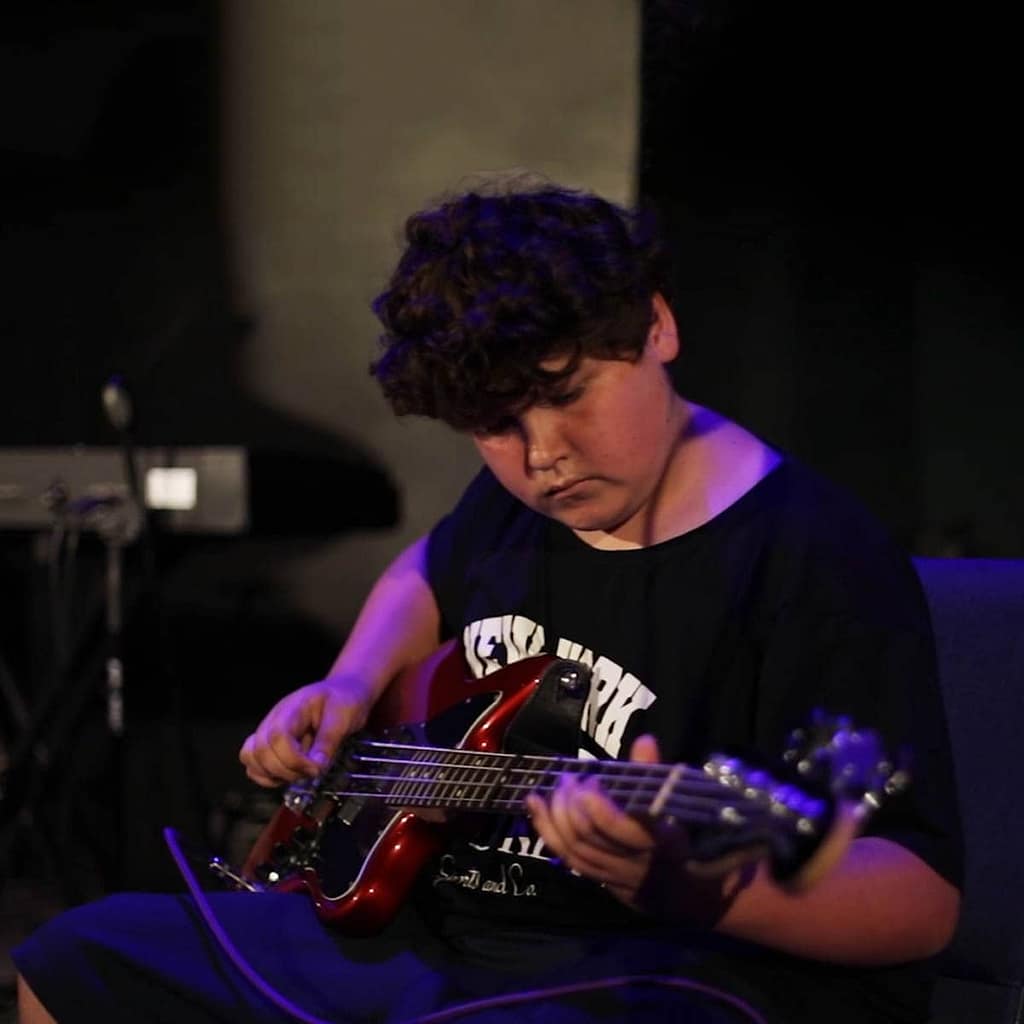
Guitar-Bass-students

A well structured bass guitar practice routine makes far more difference than simply practicing for longer. A focused 20 minutes genuinely beats an unfocused hour.

Warm Up First

Start with a few minutes of simple finger exercises or scales before diving into songs. This warms up your hands and helps you notice any tension before it becomes a habit in more demanding material.

Split Your Time Into Sections

Rather than one long, unstructured session, split practice into focused blocks. A few minutes on technique, a few on a specific song section you’re finding tricky, and a few on general groove/timing work with a metronome.

Focus on Problem Spots, Not Just Full Run Throughs

Playing a whole song from start to finish feels satisfying, but it’s often less effective than isolating the one section you’re actually struggling with and repeating it slowly until it’s solid.

Use a Metronome Every Session

Timing / rhythm is the bassist’s core job in a band. This is why practicing with the metronome a non-negotiable part of every session, not just an occasional optional tool to use on a whim.

Practice Tips

Track what you practice in a simple log. It’s motivating to look back and see genuine progress over weeks. If you’re a current student, ask your teacher to help structure a routine suited to you in your next bass guitar lesson.

Ready to Learn Bass Guitar Properly?

A good routine turns practice time into real progress. Book a free trial bass guitar lesson with Jam Station Music in Nunawading, and Pat will help you build real skill and confidence.


Bass vs Guitar: Key Differences for Beginners

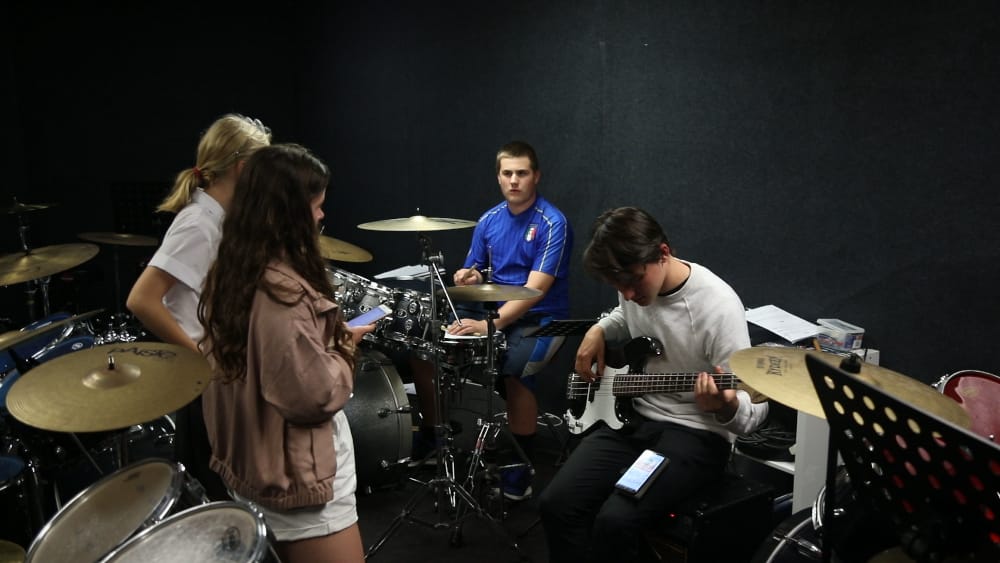
Students playing guitars

If you’re deciding between the two, understanding the real bass vs guitar differences helps clarify which instrument actually suits your musical interests and role in a band.

Different Roles in a Band

Guitar typically carries melody, chords, and harmony. Bass provides the rhythmic and harmonic foundation. In a band ensemble, Bass locks in with the drums to hold the song together. In a song, both drums and bass parts are essential, but they serve genuinely different musical functions.

Fewer Strings, Different Technique

Bass guitars typically have four strings (versus guitar’s six), tuned an octave lower. This means less emphasis on chords and more focus on single-note lines, rhythm, and groove. So a different technical skill set is required for the bass as compared to the guitar’s role of playing chords / single note melodies.

Which Suits Which Personality?

Guitarists are often drawn to melody, solos, and being musically “out front.” Bassists often enjoy driving the groove and locking in tightly with the drummer. It’s a more foundational, team-oriented role that some players find more musically satisfying.

Can You Play Both?

Absolutely. In fact many musicians play both, and skills genuinely transfer between them (fretboard knowledge, chord theory). Starting with one doesn’t close the door on the other later.

Practice Tips

If you’re unsure which suits you, try both if possible before committing. The physical feel and musical role are different enough that hands-on experience is the best guide. If you’re a current student, this is worth discussing in your next bass guitar lesson.

Ready to Learn Bass Guitar Properly?

Whichever instrument calls to you, structured lessons make the learning curve far smoother. Book a free trial bass guitar lesson with Jam Station Music in Nunawading, and Pat will help you build real skill and groove.

Understanding Root Notes and Basic Grooves

Understanding bass guitar root notes is the foundation of building solid, musical bass lines. Before adding any fancy technique, every great bassist starts by locking in with the root of each chord.

What Is a Root Note?

The root note is simply the note that gives a chord its name. For example a C Major chord, the root note is C. As a bassist, playing the root note on the strong beats (usually beat one of each bar) anchors the harmony and locks in with the rest of the band.

Building a Basic Groove

Once you’re comfortable playing roots in time, try adding the fifth (a note a perfect fifth above the root) on other beats. This simple root-fifth pattern is the foundation of countless bass-lines across genres.

Locking In With the Drummer

A great bass groove isn’t just about which notes you play. It’s about timing. Focus on locking your rhythm in with the kick drum, since bass and drums together form the rhythmic backbone of a song.

Practice Tips

Practice playing roots along to a simple drum beat or metronome before adding any extra notes. Timing matters more than complexity when you’re starting out. If you’re a current student, bring a song you’re working on to your next bass guitar lesson, and Pat can help you build grooves that actually fit the song. For extra practice, Talkbass has helpful beginner groove exercises worth exploring.

Ready to Learn Bass Guitar Properly?

Root notes and timing are the foundation everything else builds on. Book a free trial bass guitar lesson with Jam Station Music in Nunawading, and Pat will help you build real groove and confidence.

How to Read a Bass Lead Sheet

Bass Player

If you’re learning bass guitar, knowing how to read a bass lead sheet opens up a huge range of songs you can play. With that skill, you’d be able to work on songs from jazz standards to modern pop and rock. Unlike full notation or tab, a lead sheet gives you:

  • chord symbols
  • rhythms to play in sync with the drummer
  • rehearsal marks outlining the different sections of the song

Once you get use to read a bass lead sheet you’d be free to interpret and build your own bass line based on the lead sheet.

What Is a Lead Sheet?

A lead sheet shows the chord progression of a song (e.g. C, Am, F, G) along with the rhythm and structure, but doesn’t dictate exact notes to play. For bass players, this means you’re expected to construct a bass line using the chord’s root note and related notes, rather than playing something written out note-for-note.

Understanding Chord Symbols

Chord symbols tell you which chord is being played at that point in the song. An example of chord symbols would be something like “Cmaj7” or “Dm7”. As a bass player, your starting point is usually the root note of the chord (the letter itself), which anchors your bass line and locks in with the harmony the rest of the band is playing.

Reading the Rhythm

Lead sheets use rhythm slashes or simple beat markings to show when chords change, rather than specific note durations. This gives you freedom to create your own rhythmic feel. Be sure however to follow where the chord changes fall in the bar, so your bass line supports the song correctly.

Building a Basic Bass Line

A simple starting approach: play the root note on beat one of each new chord, then add the fifth or octave on other beats to create movement. As you get more comfortable, you can add passing notes and rhythmic variation, but the root-note foundation is what keeps you locked in with the rest of the band.

Practice Tips

Start with a simple lead sheet. A simple song which only uses 3 to 4 chords per song. Be sure to focus purely on playing roots in time before adding anything more complex. If you’re a current student, bring a lead sheet you’re working on to your next bass guitar lesson, and Pat can help you build lines that fit the song properly. For extra chord reference, sites like Ultimate Guitar have a huge library of lead sheets and chord charts to practice with.

Ready to Learn Bass Guitar Properly?

Reading lead sheets is a core skill for any working bassist. Book a free trial bass guitar lesson with Jam Station Music in Nunawading, and Pat will help you build real groove, technique and reading skills from the ground up.