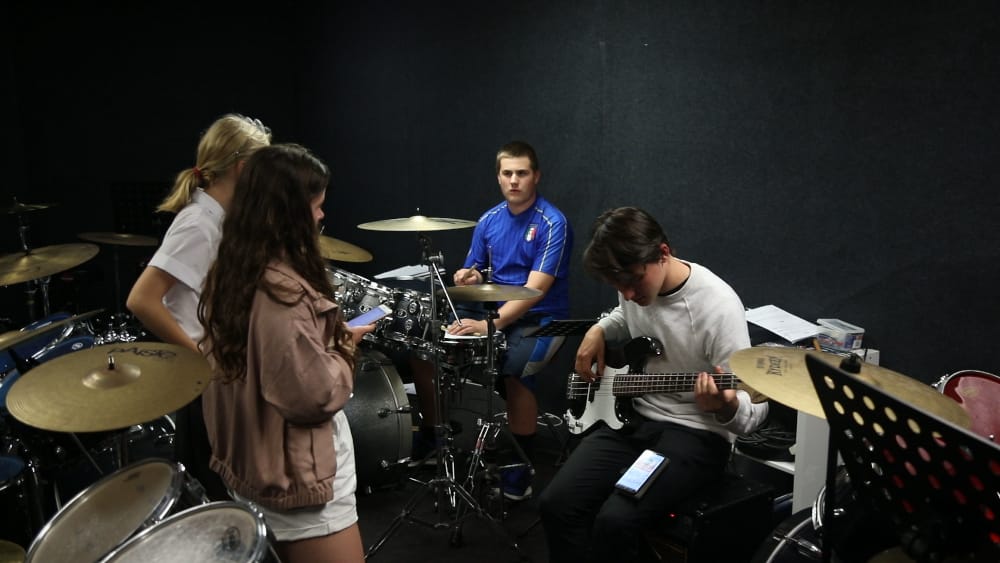

Preparing for Your First Recital: Tips for Nervous Performers

Audience Watching

Preparing for your first recital can feel daunting, especially if performing in front of others is completely new to you, but with the right preparation, it becomes a genuinely positive experience.

Know Your Piece Thoroughly

The single best thing you can do is be genuinely over-prepared. When you’re doing your focused practice, set goals that will eventually allow you to be able to perform your piece confidently even if you’re a little nervous or distracted. If you can play it well on a bad day, you’re ready.

Practice Performing, Not Just Playing

Rehearsing alone feels very different from performing for others. Practice playing your piece for family or friends beforehand, this builds a kind of confidence that solo practice alone can’t provide.

Plan for Small Mistakes

Almost every performer makes a small slip at some point. The real skill is knowing how to keep going smoothly rather than stopping or panicking. Practice recovering from a deliberate small mistake during rehearsal, so it feels familiar if it happens on the day.

On the Gig Day

Arrive early, stay warmed up, and remind yourself that a recital is a chance to share something you’ve worked hard on, it’s not a test to fear. A little nervous energy is completely normal, even for experienced performers.

Practice Tips

Ask your teacher about opportunities to perform informally before a bigger recital. This gradual exposure builds genuine confidence over time.

Ready to Build Performance Confidence?

The right preparation turns nerves into excitement. Book a free trial lesson with Jam Station Music in Nunawading, and explore our full range of instrument lessons.

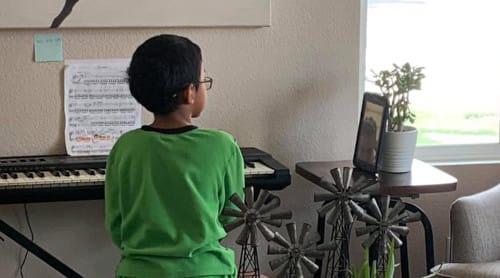
Reading Lead Sheets: A Beginner’s Guide

Piano Hands

Learning how to read lead sheets is a genuinely useful skill across almost every instrument. The information on a lead sheet is a simplified way of writing music that gives you the essentials without dictating every note.

What Is a Lead Sheet?

A lead sheet typically shows the melody, chord symbols, and lyrics (if there are any) of a song. It does not show a fully written-out arrangement for all instruments like a full score would. When you know how to read a lead sheet, it leaves room for you, the performer to interpret and build their own part around the given framework.

Why Lead Sheets Are So Useful

Unlike full notation or tab, a lead sheet is compact and flexible. The same lead sheet can be used by a guitarist, pianist, or bassist, each building their own part from the same chord and melody information.

Reading Chord Symbols

Chord symbols (like “Cmaj7” or “G7”) tell you the harmony at that point in the song. Different instruments interpret this information differently. A pianist might play a full chord, while a bassist focuses on the root note.

Following the Melody Line

The melody is usually written in standard notation above the chord symbols, giving you the tune even if you’re mainly focused on chords or accompaniment.

Practice Tips

Start with a simple, familiar song’s lead sheet before tackling something new. Recognising the melody by ear helps you connect what you’re reading to what you already know. Ask your teacher to work through a lead sheet with you in your next lesson.

Ready to Build This Skill Properly?

Reading lead sheets opens up a huge amount of musical flexibility. Book a free trial lesson with Jam Station Music in Nunawading, and explore our full range of instrument lessons.

How to Practice Effectively (Not Just Often)

Piano Student

Knowing how to practice effectively matters far more than how long you practice. Many students assume more time automatically means more progress, but unfocused practice often reinforces the same mistakes rather than fixing them.

Quality Over Quantity

A focused 20 minute session, where you’re genuinely paying attention to what you’re doing, will almost always beat an hour of distracted, half-focused playing. Progress comes from deliberate attention, not just time spent.

Set a Specific Goal for Each Session

Rather than “practice guitar for 20 minutes,” try “get this chord change smooth” or “play this passage without stopping.” A specific goal gives your practice direction and makes it obvious when you’ve actually improved.

Isolate the Hard Parts

It’s tempting to always play through a full piece from the start, but the real gains come from identifying the one tricky section and repeating it slowly until it’s solid. Once that’s done, then try reconnecting it to the rest of the piece.

Slow Down More Than Feels Necessary

Almost every musician underestimates how slow they need to go to actually fix a problem spot. If you’re making the same mistake repeatedly, the answer is almost always to slow down further, not push through faster.

Practice Tips

Keep a simple practice log that has your musical goals identified and the amount of time you’ve spent practicing on each. Even just a note of what you worked on for each session is well worth the effort. In time, this will allow you to look back and see your genuine progress over weeks. Ask your teacher to help you set specific goals in your next lesson, whichever instrument you’re learning.

Ready to Build Better Practice Habits?

The right guidance makes practice time genuinely productive. Book a free trial lesson with Jam Station Music in Nunawading, and explore our full range of instrument lessons to find the right fit for you.

Tips for Performing with Confidence

Vocals 3

Performing with confidence when singing is a skill in itself, separate from vocal technique. Like any skill, it genuinely improves with the right preparation and practice.

Nerves Are Normal (Even for Experienced Performers)

Almost every singer feels nervous before performing, no matter their experience level. The goal isn’t to eliminate nerves entirely, but to perform well despite them. This is a much more realistic and achievable target.

Preparation Builds Confidence

The single biggest factor in performance confidence is simply being genuinely well-prepared. Knowing your material solidly, including how to recover from a small mistake, removes much of the uncertainty that fuels nerves.

Practice Performing, Not Just Singing

Rehearsing alone in your room is different from performing in front of others. Practice performing for a small, low-pressure audience (a family member, a friend) before a bigger event. This builds a genuinely different kind of confidence than solo practice alone.

Simple Techniques for Managing Nerves

Slow, controlled breathing before stepping out reduces physical tension. Focusing on the meaning of the song, rather than worrying about being judged, also helps shift attention away from anxiety.

Practice Tips

Ask your teacher for a chance to “perform” in your next voice lesson rather than just practicing. This builds real performance experience in a supportive setting.

Ready to Learn Voice Properly?

Confidence is built through preparation and experience. Book a free trial voice lesson with Jam Station Music in Nunawading, and Pat will help you build both technique and genuine performance confidence.

How to Warm Up Your Voice Before a Lesson or Performance

Vocals 04

Knowing how to warm up your voice properly protects it from strain and helps you sing at your best. It is standard practice to warm up the voice before heading into a lesson, rehearsal, or performance. A few minutes of the right preparation makes a genuine difference.

Why Warming Up Matters

Your vocal cords are muscles. They perform best when they are gradually warmed up before a real demanding singing session. Once your voice is warmed up properly, you would less prone to any vocal strain while performing.

Start With Breathing

Before making any sound, spend a minute or two on slow, controlled breathing. In a previous post we covered diaphragmatic breathing technique . This prepares your breath support before your voice even gets involved.

Gentle Humming and Lip Trills

Soft humming, gliding gently up and down in pitch, is a gentle way to start engaging your voice. Lip trills (a relaxed “brrr” sound while gliding pitch) are another excellent easy low strain warm up that loosens tension in the face and throat.

Simple Vocal Sirens

Gently sliding from your lowest comfortable note to your highest (and back down) on a relaxed “ooh” or “ah” sound helps gradually wake up your full range without straining any one part of it.

Practice Tips

Aim for 5-10 minutes of warm-up before any serious singing, and never skip straight to demanding material cold. If you’re a current student, ask your teacher for a personalised warm-up routine in your next voice lesson.

Ready to Learn Voice Properly?

A proper warm-up is just the beginning of building a strong, healthy singing voice. Book a free trial voice lesson with Jam Station Music in Nunawading, and Pat will help you sing with more confidence and control.

Left Hand vs Right Hand: Building Independence at the Piano

One of the biggest early challenges in learning piano is developing genuine piano hand independence — the ability to play two different things with each hand at the same time. It feels awkward at first, but it becomes natural with the right approach to practice.

Why This Is So Hard at First

Your brain naturally wants both hands to move together, which is why beginners often find their left hand unconsciously copying the right (or vice versa). This isn’t a lack of talent, it’s simply how coordination develops, and it improves with deliberate, structured practice.

Start With Hands Separately

Before combining both hands, practice each part completely alone until it feels automatic. Rushing to combine hands too early usually means neither hand is actually secure, which makes the whole process harder, not easier.

Combine Slowly, Then Build Speed

Once each hand is confident separately, combine them at a much slower tempo than either hand played alone. It’s normal to feel clumsy at first, resist the urge to speed up before the coordination genuinely feels stable.

A Simple Independence Exercise

Try tapping a steady quarter note beat with your left hand on your knee while tapping a simple 8th note rhythm with your right knee. This builds the underlying coordination skill away from the piano itself, which can make the transition to actual playing easier.

Practice Tips

Give yourself permission to practice slowly — genuinely slower than feels necessary. If you’re a current student, bring any piece you’re finding difficult to coordinate to your next piano lesson, and Pat can break it down step by step with you. For extra exercises, musictheory.net has simple rhythm drills worth trying.

Ready to Learn Piano Properly?

Hand independence takes time, but it becomes second nature with the right guidance. Book a free trial piano lesson with Jam Station Music in Nunawading, and Pat will help you build real coordination from the ground up.

Basic Breathing Techniques for Singers

Singing

Good breathing techniques for singers form the foundation of every other vocal skill, including tone, pitch control, breath support, and even confidence on stage. All these issues trace back to how well you manage your breath. If you’re just starting out, learning to breathe properly for singing (rather than just normal everyday breathing) is one of the most valuable habits you can build early.

Why Breathing Matters So Much for Singing

Unlike speaking, singing demands sustained control over your breath, particularly when holding long notes, phrasing lyrics, and controlling dynamics all rely on how well you manage airflow. Poor breathing habits often lead to a strained, thin, or inconsistent sound, even when pitch and technique are otherwise solid.

Diaphragmatic Breathing

Most breathing techniques for singers start with learning to breathe from the diaphragm rather than the chest. Try this simple exercise: place one hand on your stomach, breathe in slowly through your nose, and feel your stomach expand outward rather than your shoulders lifting. This is the foundation breath singers train to use.

Controlled Exhale Exercise

Once you’re comfortable breathing diaphragmatically, practice a slow, controlled exhale, then breathe in for 4 counts, then exhale steadily over 8 counts. Be sure to keep the airflow even rather than letting it rush out. This builds the breath control needed to sustain longer phrases while singing.

Common Mistakes to Avoid

  • Breathing too shallow (chest-only breathing) rather than engaging the diaphragm
  • Tensing the shoulders or neck while breathing in
  • Running out of air mid-phrase due to poor breath planning
  • Gasping for air rather than taking a calm, controlled breath between phrases

Practice Tips

Spend just 5 minutes a day on breathing exercises before you even start singing — this builds the habit without the pressure of also thinking about pitch or lyrics at the same time. If you’re a current student, bring any songs you’re finding breath-control tricky to your next voice lesson, and Pat can work through phrasing and breath planning with you directly.

Ready to Learn Voice Properly?

Breathing technique is just the beginning of building a strong, confident singing voice. Book a free trial voice lesson with Jam Station Music in Nunawading, and Pat will help you build real vocal technique from the ground up.