
If you’re just starting piano, learning how to read sheet music might feel overwhelming at first, but once you understand a few core building blocks, it becomes far more manageable than it looks. Unlike guitar tab, sheet music represents both pitch and rhythm using a standard system used across almost all instruments, which makes it an incredibly useful skill once it clicks.
The Staff and Clefs
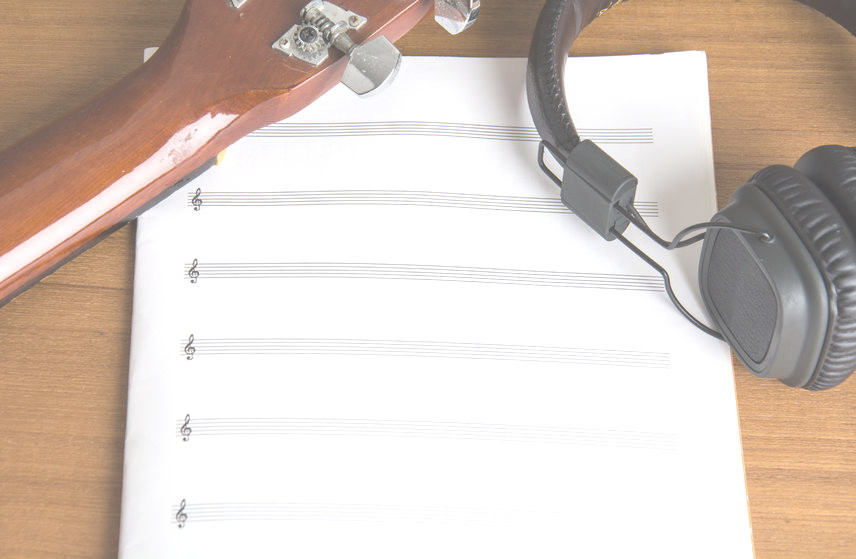
Sheet music is written on a staff, five horizontal lines and four spaces, each representing a different pitch. For piano, you’ll typically read two staves at once: a treble clef (usually played with your right hand) and a bass clef (usually played with your left hand), joined together as a grand staff.
The treble clef’s lines and spaces (from bottom to top) spell out the notes E-G-B-D-F and F-A-C-E, while the bass clef uses G-B-D-F-A and A-C-E-G. Many students use memory tricks like “Every Good Boy Does Fine” to remember these. Ask your teacher for a few if you’re finding it tricky to memorise.
Understanding Note Values and Rhythm
Alongside pitch, sheet music also tells you how long to hold each note. A few of the most common note values you’ll encounter early on:
- Whole note – held for 4 beats
- Half note – held for 2 beats
- Quarter note – held for 1 beat
- Eighth note – held for half a beat
Learning how to read sheet music properly means training your eye to read pitch and rhythm together, rather than one at a time. This becomes much more natural with consistent practice.
Middle C: Your Reference Point
Middle C is one of the most useful notes to learn early, since it sits right between the treble and bass clefs and acts as a natural reference point for finding your way around the rest of the staff. Once you can confidently locate Middle C, working outward to nearby notes becomes much easier.
Practice Tips
Start by reading small sections slowly, one hand at a time, before combining both hands together. It’s tempting to want to play a whole piece straight away, but breaking it into smaller chunks for even just a few bars can build accuracy and confidence much faster than trying to push through mistakes.
If you’re a current student, bring any sheet music you’re finding tricky to your next piano lesson. Working through it together with feedback in real time makes a big difference. For extra practice between lessons, a free tool like musictheory.net has simple note-reading exercises worth trying.
Ready to Learn Piano Properly?
Reading sheet music is a skill that develops over time with the right guidance. Book a free trial piano lesson with Jam Station Music in Nunawading, and Pat will help you build real confidence at the keys, one step at a time.